


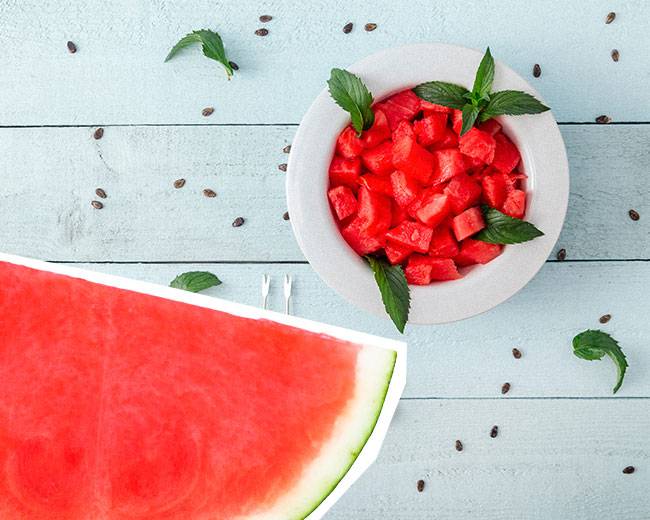
Watermelon is a refreshing and delicious fruit that we all know and love on hot summer days. But have you ever wondered about watermelon seeds? In this post, we’ll explore the mysteries and benefits of watermelon seeds, answer the question of whether they’re edible, and tell you how you can enjoy them safely and deliciously. Get ready to discover their secrets!
What are the benefits of watermelon seeds?
Las semillas de sandía, a pesar de su pequeño tamaño, están llenas de sorprendentes beneficios para la salud.
High nutrient content:
They are an excellent source of essential nutrients such as protein, healthy fats, fibre, vitamins and minerals.
Amino acid content
They are rich in amino acids, including arginine, which can have positive effects on cardiovascular health.
Rich in antioxidants
They contain antioxidants such as lycopene, which can help protect cells from free radical damage.
Good source of healthy fats
They contain healthy fats, including monounsaturated and polyunsaturated fatty acids, which are beneficial for heart health.
Satiating effect
Fibre and healthy fats can provide a feeling of satiety, which can be helpful in controlling appetite.
Are watermelon seeds edible?
Yes, watermelon seeds are edible! Contrary to popular belief that watermelon seeds shouldn’t be eaten, they are perfectly safe to eat. However, due to their texture and taste, you might not find them as pleasant as the sweet flesh of the fruit. But don’t worry, there are several ways to enjoy them.
How should watermelon seeds be consumed?
If you want to reap the benefits of watermelon seeds, here are some ways to consume them in a tasty and safe way:
- Toasting: Toast the seeds in a frying pan with a little oil and salt. This will give them a crunchy, delicious flavour, similar to nuts.
- Smoothies: Add a few seeds to your smoothies to give them a bit of extra texture and nutrition.
- Bread or biscuits: Add the seeds to your homemade bread, biscuit or muesli bar recipes to give them a healthy twist.
- Salads: Sprinkle toasted seeds over salads to add a touch of flavour and a bit of crunch.
- A nutritious snack: Take them with you as a healthy snack to satisfy your cravings between meals.
Although watermelon seeds are safe for most people, it is important to remember that, as with any food, some people may have individual allergies or sensitivities. If you are unsure about eating them, it is advisable to consult a healthcare professional.
In short, watermelon seeds are edible and offer a range of health benefits thanks to their nutrient content, antioxidants and healthy fats. Whilst their texture and flavour may not be to everyone’s taste, there are several delicious ways to enjoy them. Whether you roast them, add them to recipes or incorporate them into your daily snacks, the seeds can be a nutritious and tasty addition to your diet. So next time you enjoy a juicy watermelon, don’t hesitate to make the most of the benefits of its seeds too!